
Helicobacter Pylori (H. Pylori)
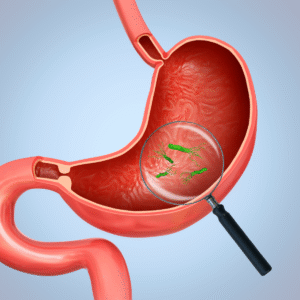
Helicobacter pylori (H. pylori) is a type of bacteria. It can live in your stomach and duodenum (the first part of your small intestine). It can cause painful sores called peptic ulcers and is the main cause of ulcers. H. pylori is common and many people have it, but most do not get ulcers or have symptoms.
H. pylori sticks to your stomach lining and damages it. The bacteria makes an enzyme called urease that makes your stomach acid less acidic and can cause more acid production. This weakens the stomach lining and allows acid and digestive juices to hurt it. This can cause inflammation (swelling, pain, redness) and ulcers.
H. pylori is contagious and can spread between people, but not as easily as the common cold. People in your home without symptoms usually do not need testing. The best way to prevent spreading is good handwashing, especially after using the bathroom and before preparing or eating food. If someone in your home has symptoms, they should see their doctor.
Cause
Doctors are not exactly sure how H. pylori spreads. But it is usually spread through direct contact with saliva, vomit, or stool. It can also spread through contaminated food or water. The reason some people have symptoms and others do not is still unknown.
Risk Factors
Anyone can get H. pylori. Your risk is higher if you:
- Live in a crowded home where many people share small spaces
- Live in or visit places with poor sanitation or unsafe water
- Share food, drinks, or utensils with someone who has H. pylori
- Lack access to clean water
- Have poor hygiene
- Have family members who have had H. pylori
- Were infected as a child (most infections begin in childhood and can last for years if not treated)
Symptoms
H. pylori can cause gastritis (inflammation in your stomach lining).
It can also cause peptic ulcers. Ulcer pain in your stomach or around your belly may:
- Feel dull and does not go away
- Happen 2 to 3 hours after you eat
- Come and go for days or weeks
- Happen in the middle of the night
- Get better when you eat or take antacids (medicines that reduce your stomach acid level)
Other symptoms of an ulcer include:
- Losing weight without trying
- Loss of appetite (you don’t feel like eating)
- Bloating (your belly feels full or puffy)
- Burping (belching)
- Having an upset stomach or nausea (feeling sick to your stomach)
- Vomiting
- Anemia (low iron)
These symptoms can look like other health problems, so it is important to see your doctor.
When to See a Healthcare Provider
Make an appointment with your doctor if you notice the signs of an ulcer. Get immediate medical care if you have:
- Severe or ongoing stomach pain
- Bloody or black tarry stools
- Bloody or black vomit that looks like coffee grounds
Prevention
You can lower your risk of H. pylori by:
- Drinking clean water
- Using clean water to prepare food
- Washing your hands with soap and clean water for at least 20 seconds before eating and after using the bathroom
Diagnosis
Your healthcare provider may order tests after you talk about your symptoms and health history. Tests may include:
- Blood tests
- Stool cultures – A small stool sample is collected and sent to a lab to check for abnormal bacterial in your digestive tract.
- Stool antigen tests – A small stool sample is collected and is checked for H. pylori.
- Breath tests – Checks for urease by the presence of carbon after swallowing a urea pill with carbon molecules.
- An upper endoscopy (also called EGD) – A scope (a thin tube with a light and camera on the end) goes through your mouth and into your upper digestive tract to see the inside of your esophagus, stomach, duodenum, or a combination of those areas.
Treatment & Management
Medication
H. pylori is usually treated with:
- Two antibiotics to keep the bacteria from building up a resistance. Antibiotics that may be prescribed include amoxicillin, clarithromycin, metronidazole (Flagyl), tetracycline, or tinidazole.
- A proton pump inhibitor (PPI) to reduce acid production. PPIs that may be prescribed include esomeprazole (Nexium), lansoprazole (Prevacid), omeprazole (Prilosec) or pantoprazole (Protonix).
- Bismuth Subsalicylate (Pepto Bismol) – An over-the-counter diarrhea remedy recommended along with antibiotics.
It is very important to take all of your medicines exactly as prescribed and finish all of them, even if you start to feel better. Stopping early can cause the infection to return and become resistant to future treatment.
You will need a follow-up test to make sure the infection is gone.
If the first treatment does not work, your doctor will try a different combination of medicines.
Lifestyle
There is no specific diet required to treat H. pylori. But during treatment and recovery, you may want to avoid foods and drinks that can irritate your stomach, such as:
- Spicy foods
- Alcohol
- Coffee and other caffeinated beverages
- Acidic foods like citrus and tomatoes
Some people find probiotics (found in yogurt, kefir, or supplements) help with antibiotic side effects like diarrhea. Ask your doctor before using them.
Long-Term Prognosis
Most people recover completely and are considered cured when treated correctly.
Reinfection is possible but uncommon in adults who live in places with good sanitation. Finishing your treatment and confirming the infection is gone with a follow-up test, significantly lowers your risk of future problems.